*A University of Michigan study, published in March, explores the challenges Black women face on online dating platforms, highlighting how algorithmic biases and societal stereotypes create unique obstacles in their pursuit of romantic connections, Michigan Daily reports.
Conducted by Rackham students Jasmine Banks and Mel Monier, the research involved one-on-one interviews with 20 Black women aged 18 to 30 across the United States. These interviews revealed the emotional toll of navigating digital dating spaces, where Black women often feel marginalized due to systemic inequities and biases embedded in app algorithms and societal perceptions.
“(The interviews) ended up being more (close) to what I would probably consider counseling sessions where a lot of women started crying,” Banks said.
“It was very emotional in the way that most of them were like, ‘This is the first time I’ve ever been asked these questions or had a space to where I can actually express some of these feelings,’ particularly around how dating apps made them feel about themselves,” she added.
The study found that Black women encounter misogynoir, racial fetishes, and microaggressions that make online dating feel isolating. Participants noted that Black men often face less stigma when pursuing non-Black partners compared to Black women who date outside their race. Stereotypes portraying Black women as “harder to control, louder or, you know, more opinionated,” as Banks stated, contribute to feelings of being less desirable.
Scroll to continue reading





“(Women studied) feel that Black men tend to want a date outside of their race because of stereotypes, and the stereotypes tend to be about Black women being harder to control, louder or, you know, more opinionated,” Banks said. “But then we get this, outside, inward thing, where Black women’s families are like, ‘Oh no, you should be with a Black man’.”
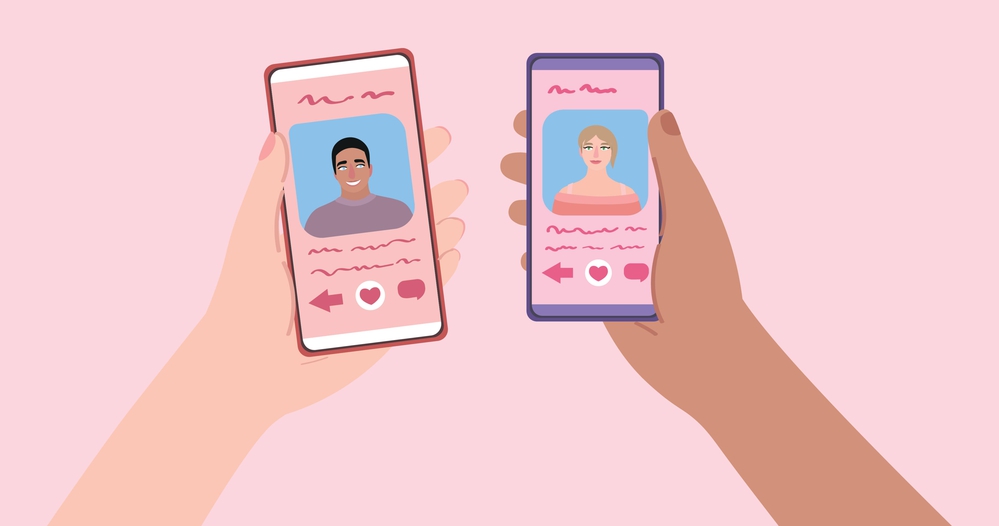
A significant focus of the research was the role of algorithms in perpetuating inequities. Dating apps, including those owned by Match Group such as Tinder and OKCupid, previously used Elo scores to rank users based on attractiveness and engagement, a practice discontinued in 2019 but replaced by similar systems. These algorithms often make less-engaged profiles—disproportionately those of Black women—nearly invisible, limiting their visibility and chances of finding matches.
“(The algorithm) becomes an issue when you don’t know how those decisions are made,” Banks said, emphasizing the lack of transparency in how matches are curated, which often misaligns with users’ preferences.
Monier pointed to the tech industry’s broader biases, noting, “Studies have already shown us that algorithms are not neutral. They are (made of) a reflection of the society that creates them and they’re made by humans, and humans are inherently biased.”
The study’s participants called for dating platforms to prioritize inclusivity and equity, advocating for redesigned systems that foster safer and more welcoming environments.
Monier stressed that such changes benefit all users: “Making the app safer for Black women makes the app safer for everybody, makes it easier to use for everybody, makes it more enjoyable for everybody.”
Sign up for our Free daily newsletter HERE.