*Larry & Alphonso “Fonce” Mizell enjoyed an out-of-nowhere run in the `70s as producers of loosely arranged musical nuggets that felt good, painted in broad strokes lyrically, and became bedrock examples of the subgenre Jazz-Funk Fusion. Though the brothers sprang from the Motown songwriting collective The Corporation (created by Berry Gordy expressly to make music magic for the runaway train that was The Jackson 5), they sprang from that cocoon to blossom at Blue Note Records which – in the early `70s – was struggling to keep up with its legacy of jazz supremacy.
The Mizell’s brought Blue Note a formula of embracing crack local session musicians, encouraging them to jam until key grooves were created to which they would then stitch ear candy bridges, choruses, and hooks that left lots of room for leaders to improvise yet over melodies and chord progressions that folks loved to hear cycled through – over and over again. This proved wildly successful for newcomer flautist Bobbi Humphrey and especially chameleonic trumpet legend Donald Byrd, whose mid-`70s classics also prominently featured journeyman alto sax giant, Gary Bartz.
On Wednesday, August 28 at Hollywood’s cozy outdoor gem John Anson Ford Theater, The Mizell Brothers were honored with a tribute concert produced under an alliance between the L.A. Phil Insight Initiative and event promoters ArtDontSleep under its “Jazz is Dead” brand, led by impresario Adrian Young and Hip Hop-Jazz royalty Ali Shaheed Muhammad (of A Tribe Called Quest fame).
The gentlemen stepped to the mic sharp-dressed and keen-minded to present the audience with an enjoyable and lightly educational evening dotted with key songs from the Mizell’s catalog played by a collective of special guests. Young explained that it was Hip Hop records heavy on Jazz samples by Muhammad that first turned him onto Jazz. In turn, Muhammad said that it was Funk-tinged Jazz vinyl that elevated what he’d already learned from his parents’ straight-ahead jazz collection into something he felt could speak to his younger generation of hip outliers. Ali admitted that many rappers and their fans were not initially receptive to having spacey chocolate jazz in their earthbound peanut butter, but that – over time – the vibe flowed through. With no further explanation needed, the hosts introduced Larry Mizell, the surviving member of the Mizell Brothers, to the stage to the wild applause of fanatical devotees. Having no words of Zen Jazz guru-ism on his mind to share, Mizell stated to let the music play.

The first band up was Katalyst, a group of instrumentalists with three vocalists that focused on material from the Donald Byrd recordings. They opened with “Flight Time” from the seminal 1973 LP, Black Byrd. The song never caught fire as they played with a tentativeness that reeked of ill-preparedness or stage fright. After the theme was stated, a glaring, gaping hole was left in the space that a Byrd trumpet solo occupied on the album, leaving a repetitive rhythm track. After a fair alto sax solo, they decelerated the beat and dropped into an AI-generated version of rapper The Notorious B.I.G. spitting on NAS’ “N.Y. State of Mind,” the recording of which incorporated a sample from “Flight Time.” This as a hip idea that could have been better executed.
Next, Katalyst was joined by two original members of Jazz-Funk band The Blackbyrds – drummer Keith Killgo and bassist Joe Hall. Back in the day, The Blackbyrds was a sextet launched by Donald Byrd when he was teaching at HBCU Howard University that had great success throughout the `70s both as a band that also often backed Professor Byrd on the road. The first offering here was the sexy vocal tune “Think Twice.” Sadly, the vocals were tepid, the trombone meandered around in one octave only partially saved by the ending vocal vamp over the mellow chord changes.
These songs popped on record but when not played with fire fall flat. The same fate befell “Places and Spaces” which was played in 8th notes instead of 16th notes which killed the drive of the groove altogether, not to mention that the dynamic rise and fall of the song’s finale – usually so thrilling – were absent. The most well-played of the Byrd songs was the last one, “Steppin’ Into Tomorrow,” introduced with a tight drum solo by Killgo into a nice alto sax solo (then a very otherworldly electric piano solo that I’m going to give the benefit of the doubt as befitting the song’s futuristic theme).
This writer’s misgivings notwithstanding, the audience gave this section of the presentation a standing ovation.
Scroll to continue reading

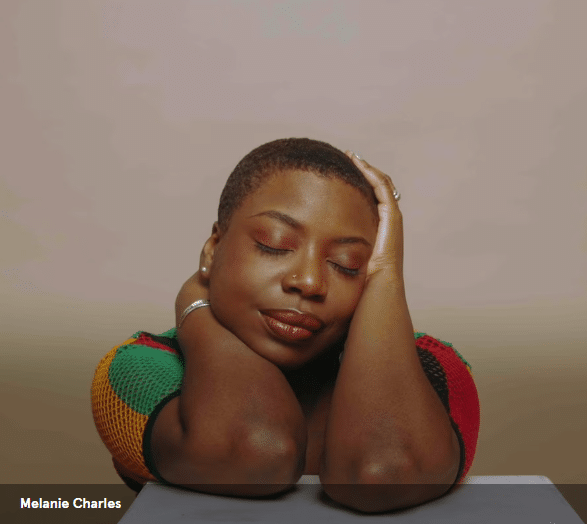
The next guest was flautist Melanie Charles who focused on material immortalized by `70s Black female flute player Bobbi Humphrey – an inspiration to many female musicians in her day. Melanie graced the stage wearing an oceanic green outfit with a regal head wrap playing Humphrey’s signature hit “Harlem River Drive.” Her playing was soulful and fluid for the melody and her solos but the guitarist put that instrument down to play Flugelhorn to uninspired effect. The second tune was tight with a nod to the Jazz classic “Caravan” interwoven. The third number was most impressive with its syncopated intro, a solid drum solo, and trombone then out the door with an evocative flute, piano, and conga ambiance. Melanie, too, received a standing ovation.
In the `70s, The Mizell Brothers moved away from waning fusion into Disco and R&B productions. Tonight, this was acknowledged first by Catalyst playing “Boogie Oogie Oogie” by Grammy-winning female duo A Taste of Honey. They started the song at the original 4-on-the-floor tempo then decelerated into a sexy Afrobeat for a series of hand-off horn solo duals. Next was the classic slow jam “Love Ballad” by the band LTD which featured lead singer Jeffrey Osborne. The Katalyst vocalist did a wonderful job singing this one straight with powerful pipes.
The final artist of the night was soul-personified saxophonist Gary Bartz, who benefitted mightily from the Mizell Brothers’ Midas Touch in the `70s. Announcing that he was exhausted and hungry from having flown in from the east and then saved for last on the bill, he opened his set with a touching (and humorous) nod to the song “The Rainbow Connection” made famous by…The Muppets! He then launched into his club anthem “Music is My Sanctuary,” bringing many to their feet to dance in front of their seats. Bartz, who turns 84 his month, sounded and looked great. He closed with the inebriating climbing melody of his Quiet Storm classic, “Gentle Smiles (Saxy),” sending hearts to the sky.
The evening’s finale was an all-hands-on-deck encore of The Jackson 5’s “I Want You Back” from The Mizell’s Motown days – flipped into a festive Latin rave-up.
In closing, everyone’s hearts seemed to be in the right place. My biggest takeaway is that many musicians wrongly assume the so-called “commercial” sound of `70s Jazz-Funk Fusion is way lighter than it really is. While it’s not Be-Bop, it is not necessarily easy to play. The key is the combination of breezy or funky grooves played with heartfelt aplomb, thus inspiring soloists to truly take flight. Too many times this evening, the players failed to relinquish their hearts from their minds, focusing too much on playing correctly that they failed to soar.
{Props to DJ J. Rocc who curated a fine sampling of Mizell deep cuts played before the live program.} – A Scott Galloway
MORE NEWS ON EURWEB.COM: Anderson .Paak Created ‘K-Pops!’ Movie with His Son, Inspired by Bruno Mars’ DIY Approach