*When marijuana legalization began carving its path across the United States, it was heralded as a progressive achievement, promising advancements in criminal justice reform, economic prosperity, and enhanced public health.
Advocates championed the legalization for its potential to eliminate the illicit market, generate tax revenue, and foster a well-regulated industry. However, the reality has deviated sharply from these optimistic predictions, sparking a wave of disillusionment that stretches from coast to coast.
Rising Concerns and Illegal Markets
From New York to California, the fallout from cannabis legalization is becoming increasingly evident. Many states are witnessing the proliferation of illegal dispensaries alongside a resurgence in crime linked to the cannabis trade. Critics argue that the public has been misled about the potential risks associated with the high-potency marijuana flooding the legal marketplace, Newsweek is reporting.
Keith Humphreys, a drug policy professor at Stanford University, emphasized the unrealistic assurances that accompanied legalization.
“People were told not only does this have no health harm, but it’s actually good for you,” he noted. “None of those promises have materialized, leading to understandable buyer’s remorse.”
Scroll to continue reading









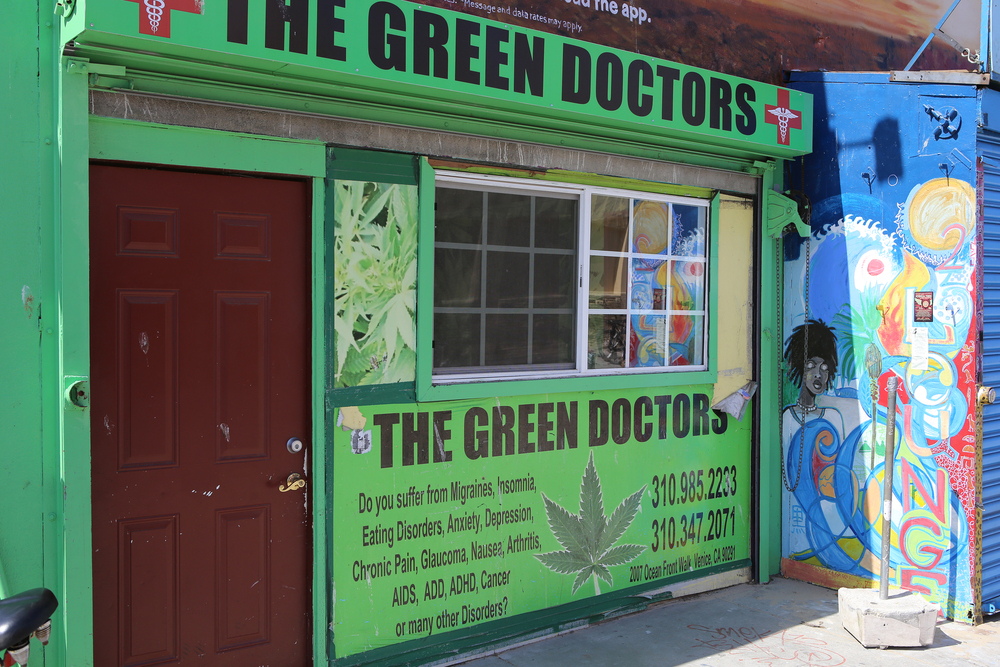
New York serves as a striking case study in this growing discontent. Governor Kathy Hochul has described the situation as “a disaster,” as the state struggles to control an estimated 8,000 unlicensed dispensaries in New York City alone, overshadowing the mere 140 legal operations. The proliferation of these illegal shops undermines the legal market, offering the same products at significantly lower prices while sidestepping taxes and safety regulations.
Similar issues plague California, where a 2023 audit revealed that two-thirds of cannabis sales stemmed from the illegal market, resulting in billions of untaxed dollars. Law enforcement agencies report a rise in cartel-linked operations, contradicting the initial goal of providing a safe and regulated alternative to illicit dealers.
Addressing Public Health Concerns
Beyond market shortcomings, health officials are sounding alarms over the potency of modern marijuana strains. With THC levels often exceeding 20%—a stark increase from the 3-5% potency that characterized cannabis in the 1990s—experts are warning of a correlating rise in cannabis-related health issues, especially among adolescents.
“We have moved from an era where the typical marijuana user consumed a low-potency product once a week to a market where the typical user consumes high-potency products daily,” Humphreys explained. Emerging research links heavy use of high-potency cannabis to cognitive impairment and increased mental health disorders, prompting significant health concerns.
Kevin Sabet, president of Smart Approaches to Marijuana (SAM), has been a staunch critic of the current commercialization model, asserting that “today’s marijuana” has led to rises in psychosis, schizophrenia, and other severe health consequences. As a result, many are beginning to question the long-term safety and societal impact of marijuana.
Youth Access and Safety Issues
Contrary to earlier assumptions that legalization would deter youth access to marijuana, evidence suggests that teenage cannabis use is on the rise in states where it is legal. A recent investigation revealed alarming rates of cannabis consumption among high school students in New York City, with significant increases in drug-related disciplinary incidents reported within schools.
Moreover, states like Colorado are grappling with rising cannabis-related DUI arrests and traffic fatalities, posing substantial risks to public safety. Sabet believes public sentiment may soon pivot, echoing historical reckonings with tobacco use.
Shifting Public Sentiment
While a significant majority of Americans—68% according to a 2023 Gallup poll—continue to support marijuana legalization, experts argue that the framework under which it has been introduced is now critically flawed, overshadowed by over-commercialization. Cat Packer of the Drug Policy Alliance emphasized the need for a responsible approach that prioritizes community welfare over profit.
Politicians are now revisiting the structure of cannabis laws across various states. In New York, Assembly Majority Leader Crystal Peoples-Stokes has acknowledged the need for legislative review, leading to discussions on how best to move forward in a more effective manner. California and Oregon are also considering enhancements to regulations, such as capping THC potency levels to safeguard public health.
Germany’s approach—limiting personal possession while quickly recognizing the pitfalls of their legalisation model—could offer valuable lessons for U.S. lawmakers navigating this complex landscape.
MORE NEWS ON EURWEB.COM: Mixue Ice Cream & Tea Becomes World’s Largest Food Chain, Surpassing McDonald’s
Sign up for our Free daily newsletter HERE.