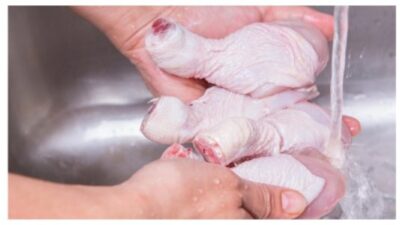
*Recent FDA recalls, including New Mexico Piñon Coffee pods pulled on July 22 for ink contamination, have spotlighted a troubling rise in food safety issues.
Over 1,000 FDA-regulated products were recalled in the past year, often due to serious risks like salmonella, lead, or undeclared allergens. A new analysis by Lawsuit Legal News reveals the five most frequently recalled food types, underscoring the need for greater consumer awareness.
Baby food tops the list, with recalls driven by heavy metals like lead, arsenic, and cadmium, or excessive vitamin levels, as seen in Baby’s Vitamin D3 Liquid. “Infants’ developing organs are far more vulnerable to toxic exposure. Even trace amounts of heavy metals in baby food can cause long-term harm to the brain, kidneys, or immune system,” note experts at Lawsuit Legal News. These risks have fueled growing litigation from affected families.
Spices, particularly cinnamon, are another frequent culprit, often recalled for lead contamination from poorly regulated imports. In 2024, brands like SWAD, El Chilar, and Colonna faced recalls. “Spices seem harmless, but repeated exposure to lead through cinnamon used in baby food, snacks, or baked goods is incredibly risky. It’s a slow poison,” the experts warn.
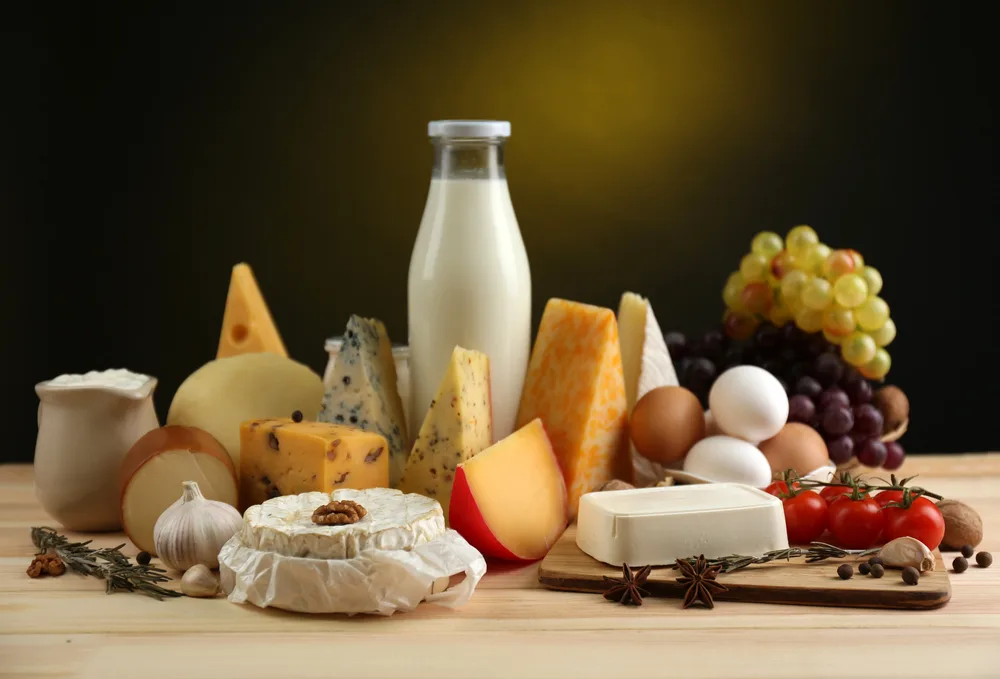
Dairy products, such as cheese and yogurt, are prone to Listeria contamination, a pathogen dangerous for pregnant women and children. Recalls in 2024 included raw cheddar and Rizo Brothers products. “Listeria thrives in cold environments and often escapes early detection. Consumers think refrigeration is safe, but in dairy, it’s no guarantee,” the experts explain.
Scroll to continue reading









Bakery goods, including cookies and cakes, face recalls due to undeclared allergens such as milk, soy, or peanuts. Brands like Zingerman’s and Electric City Sweets were affected in 2024 because of labeling errors. “These recalls are entirely preventable. But labeling errors persist – and for allergic children, that’s a hidden threat in every snack,” the experts caution.
Salad kits, such as Southwest Chopped Salad or taco kits, are also vulnerable, with Listeria traced to cheese or dressings impacting brands like Trader Joe’s and Fresh Express. “The problem isn’t the salad — it’s what’s added to it. Once Listeria contaminates a central cheese supplier, it spreads across multiple brands,” the experts note.
Matt Dolman from Lawsuit Legal News emphasizes the stakes: “As someone who works with families affected by foodborne illness and toxic exposure, I believe consumers have a right to know what they’re really eating, especially when it comes to products for children. We’re urging manufacturers to step up: test more often, label more clearly, and act faster when contamination happens. If you or your child has been impacted by a recalled product, don’t ignore it — talk to an attorney who understands these cases. You deserve answers. And if necessary, justice.”
Consumers can stay informed and seek legal recourse if affected, as these recalls highlight systemic gaps in food safety. For more details, click here.
MORE NEWS ON EURWEB.COM:Celebrate National Chocolate Chip Cookie Day with Irresistible Deals on August 4