*In a move that was expected, but was still surprising when it happened, President Donald Trump has abruptly dismissed Air Force Gen. CQ Brown Jr. from his role as Chairman of the Joint Chiefs of Staff, a decision set against the backdrop of Trump’s campaign to eliminate military leaders who support diversity and equity initiatives.
Brown, only the second Black general to hold this prestigious position, was fired just 16 months into his tenure, sending ripples of shock through the Pentagon and among defense officials.
Brown’s term as chairman was marked by his involvement in some of the military’s most pressing challenges, including managing the ongoing conflict in Ukraine and addressing expanded hostilities in the Middle East. Despite this, his future had become precarious amid growing political and ideological tensions. In a social media statement, Trump offered gratitude for Brown’s four-decade service, wishing him well while simultaneously nominating Air Force Lt. Gen. Dan “Razin” Caine as his successor, the AP is reporting.
Lt. Gen. Caine, a seasoned F-16 pilot with active duty and National Guard experience, has also served as associate director for military affairs at the CIA. His nomination by Trump, however, raises questions about the legal prerequisites for the role outlined in the Goldwater-Nichols Act. Caine lacks some traditional qualifications specified by the act for serving as chairman—a role advisory in nature since its establishment in 1949, designed to streamline military counsel provided to the president and the secretary of defense.
Scroll to continue reading








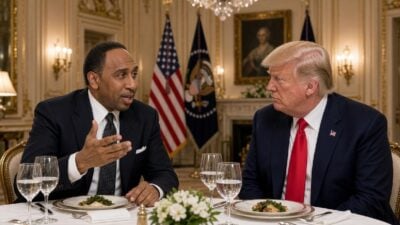
Defense Secretary Pete Hegseth, recently appointed and aligned with Trump’s viewpoints, has supported the leadership overhaul, announcing additional dismissals within the military’s upper ranks. The firings include Chief of Naval Operations Adm. Lisa Franchetti and Vice Chief of Staff of the Air Force Gen. Jim Slife—decisions attributed to Hegseth’s emphasis on “meritocracy” and alignment with lawful orders as guiding criteria for leadership roles.
Gen. Brown’s advocacy for diversity appeared to have factored into the ultimate decision. Brown had been a vocal proponent for broader changes within the military, echoing his stance during his leadership at the Air Force, urging the Pentagon to adopt adaptive strategies to counter emerging threats effectively.
The Senate Armed Services Committee’s recent confirmation hearing spotlighted Brown’s future when Hegseth stated his intent to review senior officers’ adherence to merit and standards. However, Brown had maintained rapport with both congressional leaders and Hegseth, who had previously appeared publicly supportive, notably during a joint appearance at the Army-Navy football game.
Brown’s removal not only reflects internal tensions but also broader discussions on race and representation within military structures—issues he publicly addressed following the police killing of George Floyd in 2020. In a statement that resonated widely, Brown candidly shared his personal and professional experiences with discrimination, advocating for a military and societal shift that could better reflect diverse contributions and stronger equity.
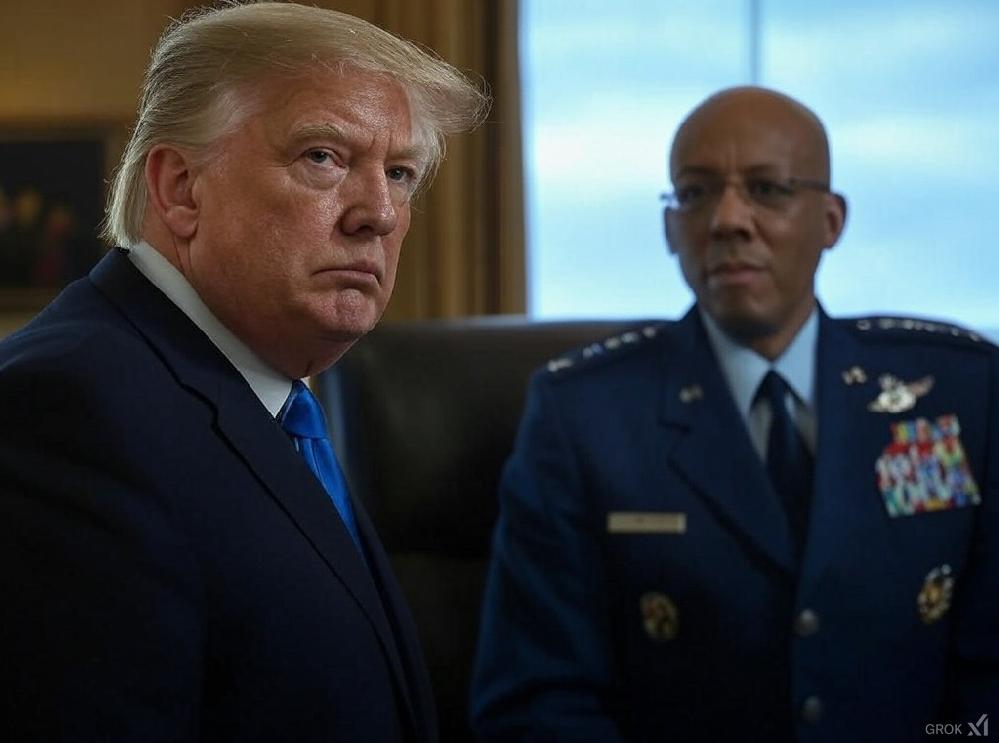
Significantly, Brown’s appointment and confirmation were historic, closely following the pioneering tenure of Gen. Colin Powell, the first Black chairman of the Joint Chiefs from 1989 to 1993.
His appointment alongside Defense Secretary Lloyd Austin, the first Black person to hold that position, had symbolized progress within military institutions often challenged by diversity and representation shortfalls.
Senators resumed confirmations for Brown and others after a prolonged blockade by Sen. Tommy Tuberville—an episode that highlighted political polarization and logistical strains impacting military readiness and leadership transitions.
While Gen. CQ Brown’s service as chairman has concluded, discussions initiated during his term—whether concerning force adaptability, representation, or the direction of military leadership under current political climates—are poised to influence the military’s trajectory.
The ongoing search for a new Joint Chiefs chairman underlines the complexity and high stakes involved in aligning military leadership with national strategic priorities.
MORE NEWS ON EURWEB.COM: Gen. Charles Q. Brown Jr. Becomes First Black Officer Nomianted for Air Force Chief