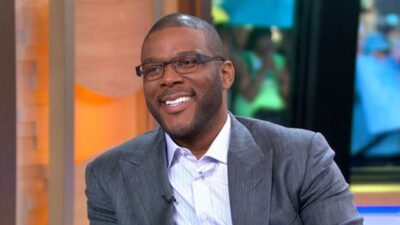
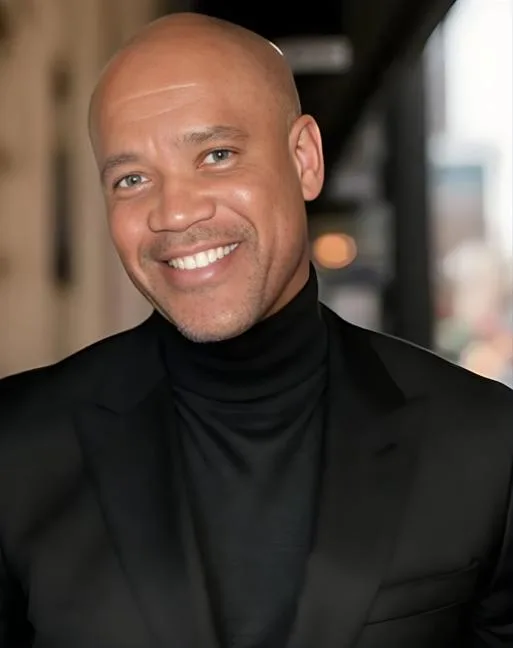
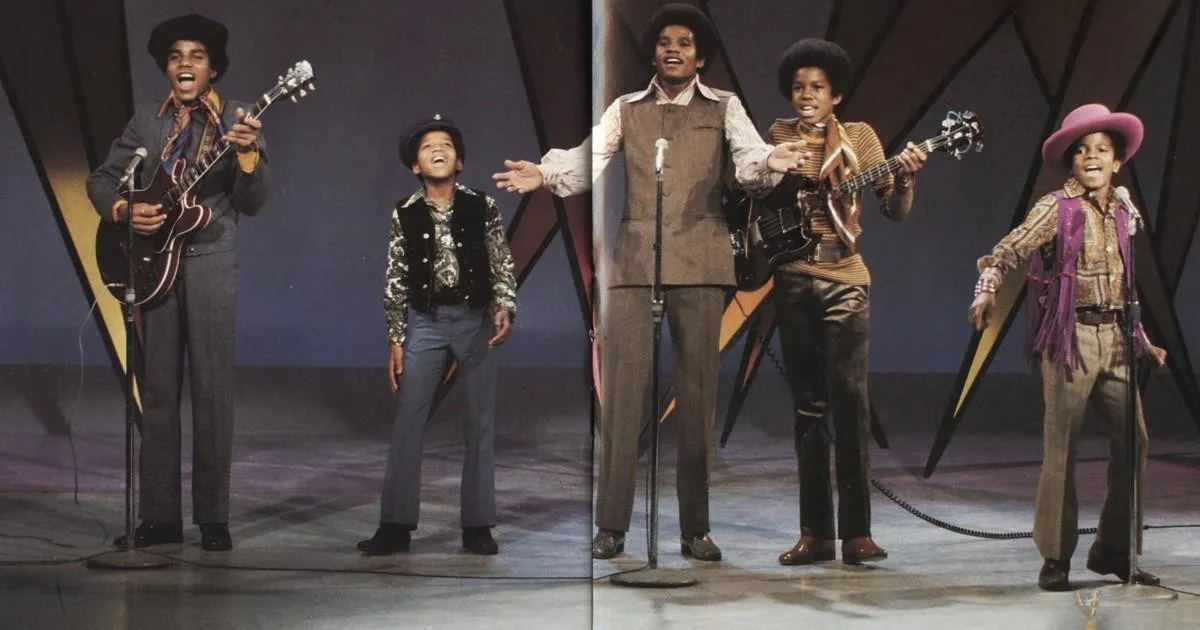
*Kerry Gordy grew up in the middle of a cultural explosion. Music wasn’t just background noise — it was the family business. “My friends were The Temptations, Michael Jackson, Diana Ross,” he recalls. “Stevie Wonder would come over. Watching James Brown on TV, seeing Stevie perform in my house, it showed me what performance at the highest level could do.”
That kind of access could have been a shortcut to an easy path. Instead, Kerry chose to build his own. He worked in management, production, and business, but he has always defined his mission simply: protecting the artist. “I’ve always seen my role as protecting artists,” he says. “Too many of them were being robbed of their value. They’d create these amazing songs and performances, but when it came time to collect, they were left with nothing. I wanted to change that.”
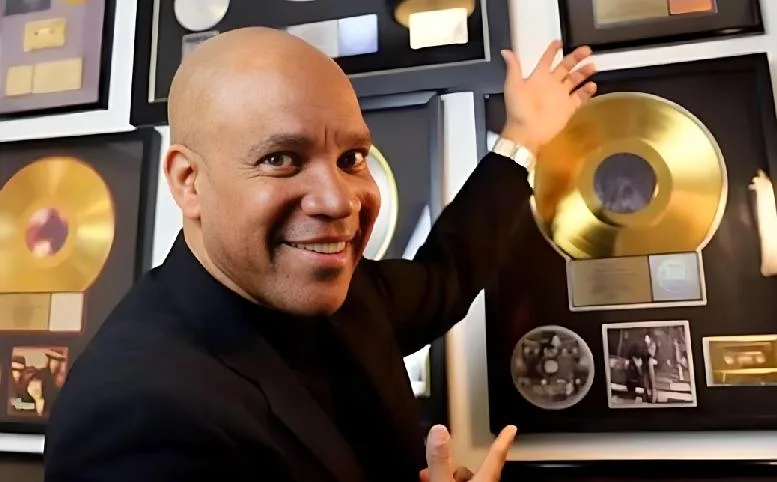
He often describes himself as a “Robin Hood” of the music world, stepping in to help artists reclaim royalties, negotiate ownership, and push back against exploitative deals. “The odds are always stacked against creatives,” Gordy says. “But if you’re strategic, if you understand the business side, you can win.”
Scroll to continue reading







That instinct for fairness was rooted in lessons learned at home. Kerry remembers his father, Berry Gordy, hammering the same truth over and over: work hard, believe in your product, and never walk away too quickly. “If something isn’t connecting, figure out if it’s the song, the promotion, the distribution — then fix it. Don’t give up.” He recalls when Motown was told to cut ties with “The Supremes” after a string of failed singles. “My father didn’t blame them. He said, ‘We got something wrong,’ found the right songs, and the rest is history.”
Kerry carries those lessons into everything he does. But his work isn’t just about the present; it’s about memory. He worries about how fast history slips away. “I was talking to two college grads who didn’t know who Stevie Wonder was,” he remembers. “I sang ‘Happy Birthday,’ and suddenly they got it. They knew the song, not the man. That’s dangerous. We can’t lose these stories.”
That same sense of responsibility led him to become executive producer of the Netflix documentary “Sunday Best: The Untold Story of Ed Sullivan.” The project was less about nostalgia than education. “When Ed Sullivan put Black faces on television, that was a revolution,” Kerry says. “It wasn’t just entertainment — it was a national stage. That visibility changed lives and careers.”
For Kerry, whether it’s fighting for artists’ rights, preserving Motown’s lessons, or amplifying stories of cultural pioneers, the mission is about legacy. “Do what you love, whether you’re making money at it or not,” he says. “If you truly love it, you’ll put in the work — and when you do, people notice.”
Kerry Gordy’s story is not just about being Motown royalty. It’s about taking the lessons he grew up with and turning them into action — making sure artists are remembered, respected, and protected.
From the column: Black in the Green Room By Keith L. Underwood
Follow: @mrkeithlunderwood (IG), @blackinthegreenroom (IG), YouTube, TikTok, and Facebook

Keith L. Underwood is a writer, producer, director, and former celebrity publicist whose work explores the intersection of Black culture and entertainment. He is the creator and host of Black in the Green Room, a syndicated column and radio series spotlighting Black creatives in television, film, theater, and music. The column runs weekly in the Los Angeles Sentinel, and the companion radio show airs on KBLA Talk 1580. The series can be seen on YouTube (@blackinthegreen) and heard across most major podcast platforms. You can also follow Keith on Instagram (@mrkeithlunderwood), TikTok and Facebook (@keithlunderwood).
MORE NEWS ON EURWEB.COM: Sheila E. Makes Grammy History and Breaks Percussion Barriers in an Unforgettable Year | WATCH
We Publish Breaking News 24/7. Don’t Miss Out! Sign up for our Free daily newsletter HERE.