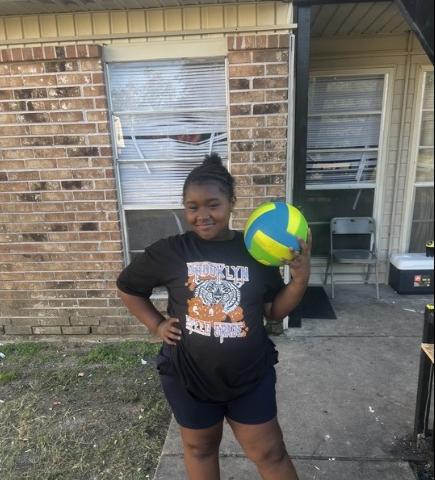
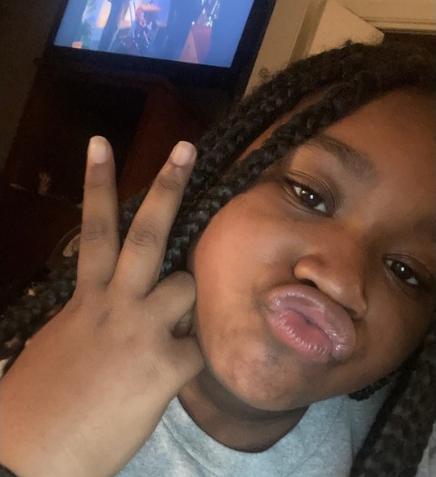
*In a heartbreaking incident in Baytown, Texas (near Houston), a 14-year-old girl named Anaya Zachary lost her life after being shot by a classmate following a dispute on a school bus.
The tragic event highlights not only the violence that can stem from seemingly minor disputes among adolescents but also the alarming access to firearms by minors in the U.S. On that fateful day (03-21-25), the consequences of a dispute escalated rapidly, leading to devastating results.
According to multiple reports, the incident began on a school bus where Anaya and a 13-year-old boy, whose identity has not been disclosed due to his age, had a heated argument. Sonya Stanford, Anaya’s godmother, provided eye-witness insights into the events that transpired. She recounted how the boy got off the bus, went home, but returned to the playground where Anaya was spending time.
“Her and the little boy got into it on the bus, and he got off the bus, he went home, he came back, he went home again. Anaya came in and asked me, ‘Tia, can I go outside?’ ” Stanford told KPRC 2.
She continued: “He went home, put on all black, put on a black mask, and came back and called my baby’s name and he shot my baby four times.”
Scroll to continue reading







The brazen act unfolded in front of individuals who were no more than innocent bystanders. Anaya was rushed to the hospital but tragically succumbed to her injuries shortly thereafter.
Sonya, reflecting on the loss, described Anaya as a “sweet kid and an honor roll student,” embodying the qualities of respect and kindness that every parent wishes to see in their children.
This incident raises critical questions regarding access to firearms among young people. As Stanford poignantly noted, while she has chosen to forgive the young boy, she is perplexed as to how he had access to a gun. She voiced a sentiment echoed by many: the responsibility of firearm accessibility lies heavily upon the shoulders of the adults entrusted to supervise minors.
“You should have put your weapon up so your 13-year-old son wouldn’t have gotten this gun and shot my child. I am very hurt, I am very disappointed,” Sonya Stanford said.

The Aftermath: Legal and Psychological Implications
As the legal procedures begin to unfold, attention will likely focus on the charges the 13-year-old boy will face. As he is a minor, the legal system could treat him through a juvenile court. If adjudicated delinquent — the juvenile equivalent of a guilty verdict — outcomes could range from probation to placement in a juvenile detention facility.
Factors such as his age, prior criminal history, and the specifics of the case would heavily influence judicial decisions.
Moreover, given the severity of the act, it is probable that a psychological evaluation will be mandated. This evaluation aims to assess the boy’s mental well-being and could potentially determine whether he should be tried as a juvenile or an adult. With the emotional associations of being involved in a deadly incident at such a young age, understanding his mental state will be crucial for the court’s disposition.
Furthermore, the boy’s parents may also come under scrutiny in light of the incident. Depending on the jurisdiction’s laws, it’s possible that they could face civil liability if it is established that negligence regarding firearm storage contributed to the calamity.
The widespread understanding is that parents hold the onus of safeguarding their children, and this includes constraining access to dangerous weapons.
Community Reflection and Public Discourse
The Baytown community is collectively grappling with this tragic loss. Schools and parents alike must engage in dialogue about conflict resolution, the prevention of violence, and the urgent call for stringent laws regarding firearm access for minors. Many community members have begun to raise awareness about the critical need for gun safety education, especially given that firearms should never be accessible to young children.
Public attention surrounding this case will likely be amplified due to its tragic nature. High-profile juvenile cases often attract media focus, which can shape public opinion surrounding both the shooter and the consequences that come from such violence. The legal ramifications could invite various public debates regarding juvenile justice and the adequacy of current laws. Efforts to protect the young shooter’s identity, however, will likely remain in place to ensure his privacy at such a tender age.
The tragic death of Anaya Zachary stands as a heart-wrenching reminder of the consequence of youth violence and the critical importance of responsible firearm ownership. As the Baytown community mourns this significant loss, it is essential to advocate not only for justice but for systemic changes that can help prevent such tragedies in the future.
In memory of Anaya and all young lives lost due to senseless violence, we are reminded of the urgency needed to reform societal attitudes toward firearms and conflict resolution among youth.
MORE NEWS ON EURWEB.COM: Wait. What?! Actor Malik Yoba Says He’s No Longer A Black Man – He Now Prefers to be Called ‘Non-White Man’ | WATCH
We Publish News 24/7 – Don’t Miss Out! Sign up for our Free daily newsletter HERE.