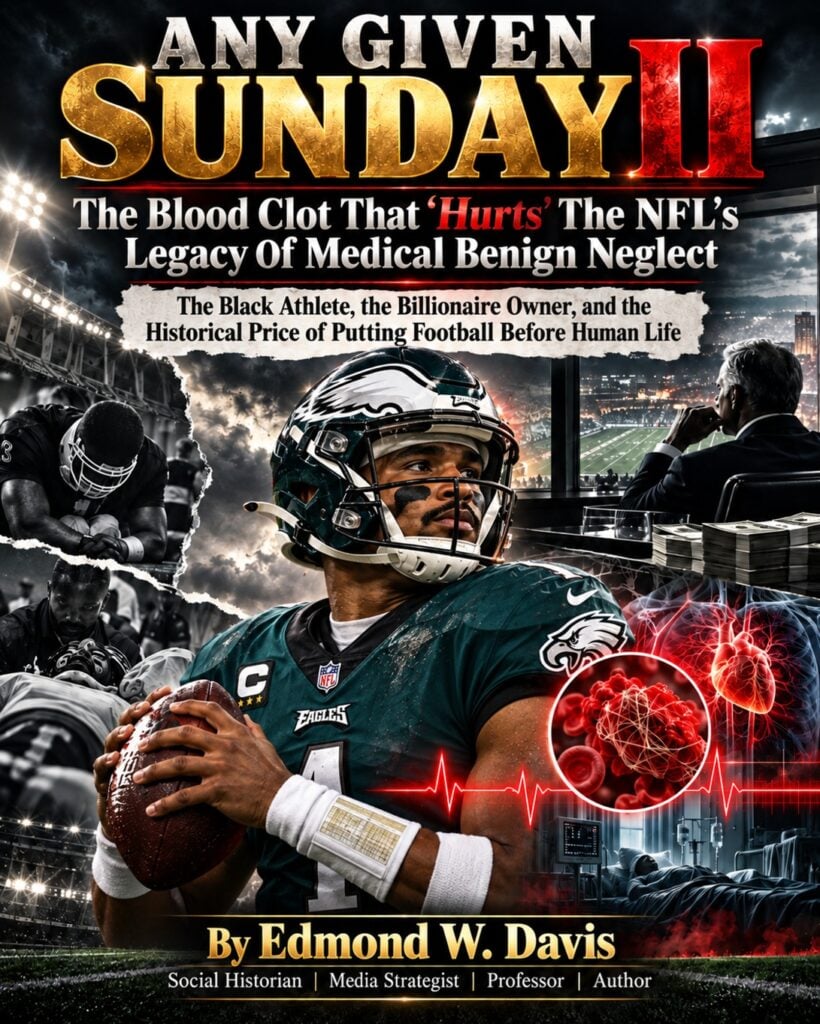
*What is the value of any athlete, or, in this case, a Black man, when his athletic performance generates millions for himself but multi-billions for the institutions that control professional football?
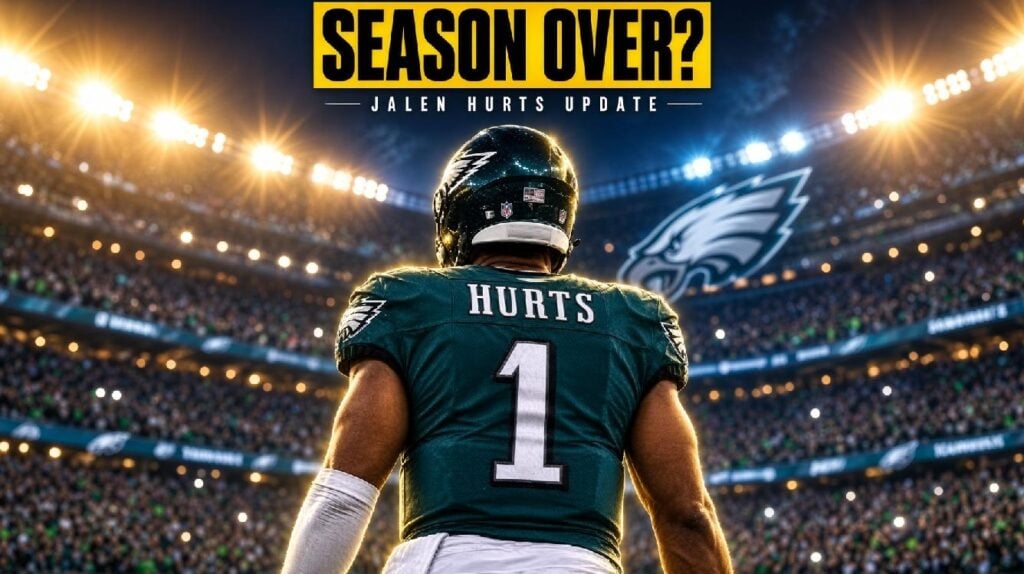
That is the uncomfortable question surrounding Philadelphia Eagles quarterback Jalen Hurts, Super Bowl LIX MVP, franchise cornerstone, and one of America’s most recognizable professional athletes.
After an October 10 diagnosis of a superficial blood clot in his calf, Hurts played an NFL game in London, returned to Philadelphia, and subsequently received diagnoses of deep-vein thrombosis and blood clots in both lungs.
The Eagles and his agent report a favorable prognosis. Nevertheless, his season is likely finished. But what concerns me most is not the lost football season.
It is the possibility that the NFL’s longstanding institutional priorities may still place athletic productivity ahead of adequate protection for the human beings generating its wealth. And yes, America, race belongs in this conversation.
Scroll to continue reading

The 1999 film Any Given Sunday dramatized physicians navigating the competing pressures of medical judgment and winning football games. The comparison with historical plantation economics is uncomfortable and imperfect. NFL players are paid professionals with contractual rights, not enslaved people. Nevertheless, the recurring question of who profits from Black physical labor—and who bears its lasting consequences—remains historically significant.
Racism Is Not Always a Racial Slur. Sometimes It Is Institutional Policy.
Let me be extraordinarily clear. I am not alleging that Jalen Hurts’ physicians deliberately endangered him because he is Black. That accusation requires evidence that has not been established.
I am challenging a historically documented system in which Black athletes disproportionately supply the dangerous physical labor while ownership, institutional authority, and economic control remain concentrated elsewhere. According to the NFL’s 2023 diversity reporting, approximately 53.5% of players were Black, while no NFL franchise had a Black majority owner. That disparity alone does not prove discriminatory medical treatment. It does, however, reveal an extraordinary imbalance between those whose bodies sustain the business and those controlling the business.
History provides far more disturbing evidence. The NFL’s concussion settlement has generated more than $1.7 billion in payable monetary awards. Yet for years, the settlement’s assessment system permitted race-norming, a controversial practice that assumed lower baseline cognitive functioning among Black former players. Consequently, Black retirees faced greater difficulty qualifying for compensation for cognitive decline. Associated Press investigations exposed the inequity. The practice was subsequently eliminated from the settlement. Think about that. Black athletes could be celebrated for extraordinary physical intelligence on Sunday, yet subjected to medical compensation calculations that treated their presumed intellectual starting point differently.
That was not merely an unfortunate perception. That was a documented racial inequity embedded in an institutional process. It’s so innate, we don’t give it a thorough review.

From Concussions to Blood Clots: Who Protects the Players?
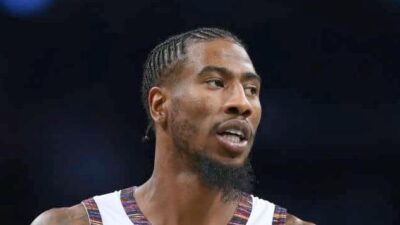
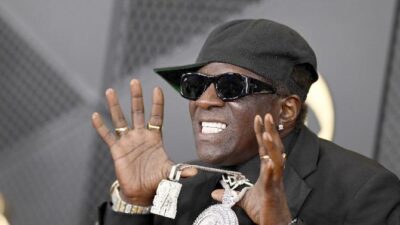
Former Eagles legendary quarterback Donovan McNabb questioned the circumstances surrounding Hurts’ medical clearance and international travel. Former NFL defensive lineman and CBS analyst Leger Douzable questioned what the Eagles’ response communicates to other players. Shannon Sharpe, Chad Johnson, and NBA great Joe Johnson also expressed concerns about the dangers of prioritizing competition over health.
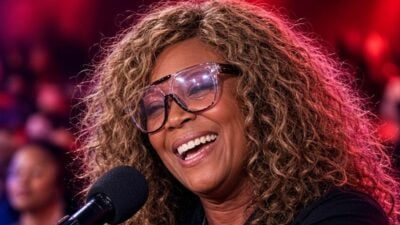
Nurse anesthetist Annemarie Wiley, who has publicly described experiencing pulmonary embolisms herself and being married to a former NFL player, questioned the reported treatment sequence. Their concerns deserve examination, not automatic dismissal. However, the claim that Hurts was medically instructed to remain awake for 36 hours was disputed. The NFL says he slept before the game. The league’s chief medical officer, Dr. Allen Sills, defended the Eagles’ medical care and said established protocols were followed. Still, the NFL Players Association demanded a full investigation.
Following a protocol does not automatically establish that the protocol was sufficient. Would Tom Brady, Aaron Rodgers, or Joe Burrow Have Been Treated Differently? That question is provocative, but the honest answer is that we do not know.
What we should demand is evidence that comparable medical circumstances produce comparable decisions, regardless of race, salary, position, or championship status. Racial accountability requires more than speculation. It requires independent examinations, transparent standards, and genuine protection against conflicts of interest.
A blood clot does not recognize skin color. But the institutions responsible for preventing harm have histories, economic incentives, and unequal distributions of authority. That is where the racial question becomes unavoidable.
The Bible Has Already Addressed This Moral Crisis.
Proverbs 31:8–9: Speak for those whose rights require protection.
Ecclesiastes 4:9–10: Lift up those who have fallen.
Mark 8:36: What does someone gain by obtaining the whole world while losing his soul?
A Super Bowl championship cannot replace a life. Professional football needs independently accountable medical oversight, meaningful player-selected second opinions, documented travel-risk assessments, and recovery standards that prioritize human health. These protections must serve every athlete. Historical inequities make independent accountability especially important for Black players.
As a West Philadelphia native, I celebrated the Eagles’ Super Bowl accomplishments. Yet I am prepared to withdraw my support until the questions surrounding Hurts receive an appropriately independent examination. Also, every medical staffing professional should be fired immediately.
If evidence establishes negligence, he should pursue every lawful remedy. And should Hurts someday acquire an ownership stake in Philadelphia, that would represent an extraordinary reversal of professional football’s historical power structure.
This is my central argument: racism does not have to be established in Hurts’ individual medical treatment for the NFL’s documented history of racial inequity to justify serious scrutiny of its institutional practices today. This reminds me of the story of Sarah Barrtman, or the Tuskegee Syphilis Experiment in Tuskegee, Alabama, but with cleats and grass. How many Black men must nearly die before medical professionals and medicine stop mistaking strength for invincibility? This is not mismanagement but dereliction of duty; is this less about anticoagulants and more about an anticommons sense? Do you know what Hurts is being paid per game? Who of this caliber has ever done what Hurts did? Before Trump gets involved, take a deeper look into the methods of response.
Young Black millionaires disproportionately absorb the physical punishment. Billion-dollar franchises control the game. And on ANY GIVEN SUNDAY, the man beneath the helmet must be worth more than the revenue his body produces.
Sources and Historical Documentation
- Philadelphia Eagles — Official Jalen Hurts Medical Update, October 19, 2026.
- Associated Press / PBS NewsHour — NFL Race-Norming and Concussion Compensation.
- Official NFL Concussion Settlement — Financial Awards and Historical Documentation.
- NBC Sports — NFL Players Association Calls for Independent Investigation.
- NFL / Associated Press — Commissioner Roger Goodell Responds to the Hurts Medical Controversy.
ABOUT THE AUTHOR
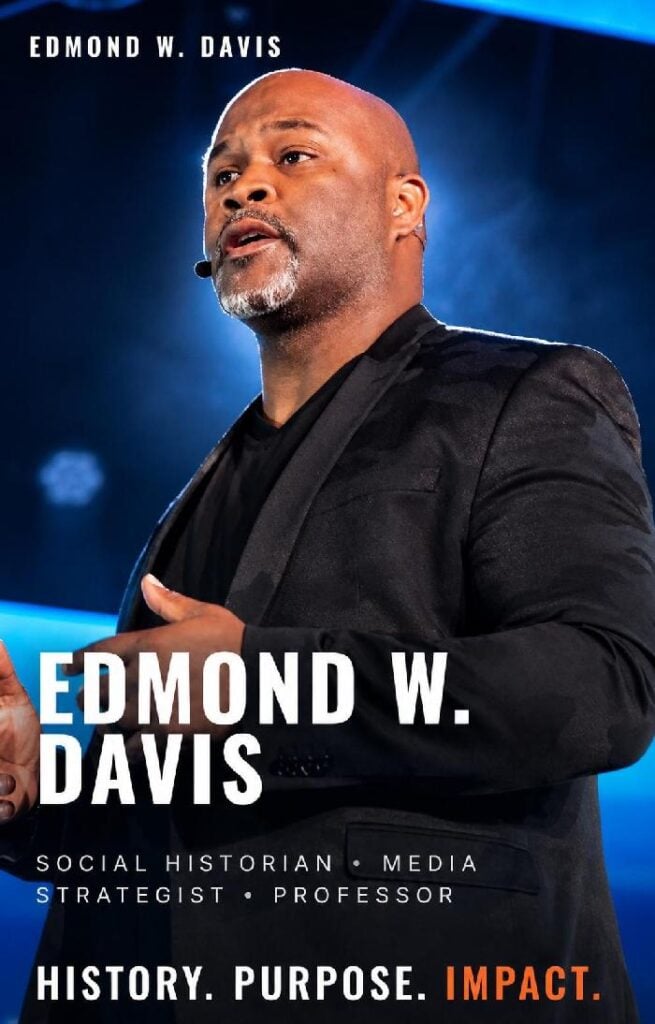
Edmond W. Davis is a leading social historian, media strategist, and professor. Davis is the founder of the National HBCU Black Wall Street Career Fest. A native of Philadelphia, PA, he, his wife, and his son currently live in Little Rock, Arkansas. area. Davis is committed to cultural empowerment and educational equity. through storytelling and civic engagement. In 2026, Davis was a grand marshal at the 38th Annual African American History Month Celebration Parade, the largest in the U.S. during Black History Month. His life is told in the 2023 ‘Short Documentary of the Year’ at the Black Excellence Awards, titled ‘FROM GRIND TO GROWTH: The Edmond W. Davis Story. Davis was also the courthouse jailroom deputy on the NBC TV miniseries Bluff City Law.
(If You Like/Appreciate This EURweb Story, Please SHARE it!)
RELATED NEWS ON EURWEB.COM: SportsBits: Jalen Hurts Faces Blood Clots, Ben Simmons Tears Achilles, Blake Griffin Goes Late Night | VIDEO
We Publish Breaking News 24/7. Don’t Miss Out! Sign up for our Free daily newsletter HERE.